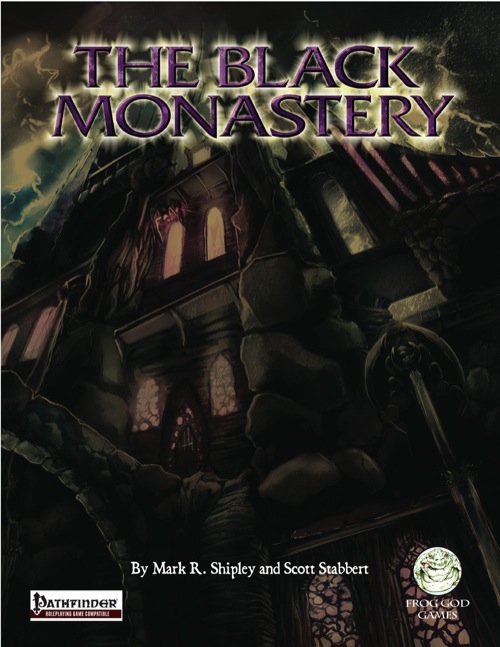
The Legend of the Black Monastery Two centuries have passed since the terrible events associated with the hideous cult known as the Black Brotherhood. Only scholars and story-tellers remember now how the kingdom was nearly laid to waste and the Black Monastery rose to grandeur and fell into haunted ruins. The Brothers first appeared as an order of benevolent priests and humble monks in black robes who followed a creed of kindness to the poor and service to the kingdom. Their rules called for humility and self denial. Other religious orders had no quarrel with their theology or their behavior. Their ranks grew as many commoners and nobles were drawn to the order by its good reputation. The first headquarters for the order was a campsite, located in a forest near the edge of the realm. The Brothers said that their poverty and dedication to service allowed them no resources for more grand accommodations. Members of the Black Brotherhood built chapels in caves or constructed small temples on common land near villages. They said that these rustic shrines allowed them to be near the people they served. Services held by the Brothers at these locations attracted large numbers of common people, who supported the Black Brotherhood with alms. Within 50 years of their first appearance, the Black Brotherhood had a number of larger temples and abbeys around the kingdom. Wealthy patrons endowed them with lands and buildings in order to buy favor and further the work of the Brothers. The lands they gained were slowly expanded as the order’s influence grew. Many merchants willed part of their fortunes to the Black Brotherhood, allowing the order to expand their work even further. The Brothers became bankers, loaning money and becoming partners in trade throughout the kingdom. Within 200 years of their founding, the order was wealthy and influential, with chapters throughout the kingdom and spreading into nearby realms. With their order well-established, the Black Brotherhood received royal permission to build a grand monastery in the hill country north of the kingdom’s center. Their abbot, a cousin of the king, asked for the royal grant of a specific hilltop called the Hill of Mornay. This hill was already crowned by ancient ruins that the monks proposed to clear away. Because it was land not wanted for agriculture, the king was happy to grant the request. He even donated money to build the monastery and encouraged others to contribute. With funds from around the realm, the Brothers completed their new monastery within a decade. It was a grand, sprawling edifice built of black stone and called the Black Monastery. From the very beginning, there were some who said that the Black Brotherhood was not what it seemed. There were always hints of corruption and moral lapses among the Brothers, but no more than any other religious order. There were some who told stories of greed, gluttony and depravity among the monks, but these tales did not weaken the order’s reputation during their early years. All of that changed with the construction of the Black Monastery. Within two decades of the Black Monastery’s completion, locals began to speak of troubling events there. Sometimes, Brothers made strange demands. They began to cheat farmers of their crops. They loaned money at ruinous rates, taking the property of anyone who could not pay. They pressured or even threatened wealthy patrons, extorting money in larger and larger amounts. Everywhere, the Black Brotherhood grew stronger, prouder and more aggressive. And there was more… People began to disappear. The farmers who worked the monastery lands reported that some people who went out at night, or who went off by themselves, did not return. It started with individuals…people without influential families…but soon the terror and loss spread to even to noble households. Some said that the people who disappeared had been taken into the Black Monastery, and the place slowly gained an evil reputation. Tenant farmers began moving away from the region, seeking safety at the loss of their fields. Slowly, even the king began to sense that the night was full of new terrors. Across the kingdom, reports began to come in telling of hauntings and the depredations of monsters. Flocks of dead birds fell from clear skies, onto villages and city streets. Fish died by thousands in their streams. Citizens reported stillborn babies and monstrous births. Crops failed. Fields were full of stunted plants. Crimes of all types grew common as incidents of madness spread everywhere. Word spread that the center of these dark portents was the Black Monastery, where many said the brothers practiced necromancy and human sacrifice. It was feared that the Black Brotherhood no longer worshipped gods of light and had turned to the service of the Dark God. These terrors came to a head when the Black Brotherhood dared to threaten the king himself. Realizing his peril, the king moved to dispossess and disband the Black Brother hood. He ordered their shrines, abbeys and lands seized. He had Brothers arrested for real and imagined crimes. He also ordered investigations into the Black Monastery and the order’s highest ranking members. The Black Brotherhood did not go quietly. Conflict between the order and the crown broke into violence when the Brothers incited their followers to riot across the kingdom. There were disturbances everywhere, including several attempts to assassinate the king by blades and by dark sorcery. It became clear to everyone that the Black Brotherhood was far more than just another religious order. Once knives were drawn, the conflict grew into open war between the crown and the Brothers. The Black Brotherhood had exceeded their grasp. Their followers were crushed in the streets by mounted knights. Brothers were rounded up and arrested. Many of them were executed. Armed supporters of the Black Brotherhood, backed by arcane and divine magic, were defeated and slaughtered. The Brothers were driven back to their final hilltop fortress – the Black Monastery. They were besieged by the king’s army, trapped and waiting for the king’s forces to break in and end the war. The final assault on the Black Monastery ended in victory and disaster. The king’s army took the hilltop, driving the last of the black-robed monks into the monastery itself. The soldiers were met by more than just men. There were monsters and fiends defending the monastery. There was a terrible slaughter on both sides. In many places the dead rose up to fight again. The battle continued from afternoon into night, lit by flames and magical energy. The Black Monastery was never actually taken. The king’s forces drove the last of their foul enemies back inside the monastery gates. Battering rams and war machines were hauled up the hill to crush their way inside. But before the king’s men could take the final stronghold, the Black Brotherhood immolated themselves in magical fire. Green flames roared up from the monastery, engulfing many of the king’s men as well. As survivors watched, the Black Monastery burned away, stones, gates, towers and all. There was a lurid green flare that lit the countryside. There was a scream of torment from a thousand human voices. There was a roar of falling masonry and splitting wood. Smoke and dust obscured the hilltop. The Black Monastery collapsed in upon itself and disappeared. Only ashes drifted down where the great structure had stood. All that was left of the Black Monastery was its foundations and debris-choked dungeons cut into the stones beneath. The war was over. The Black Brotherhood was destroyed. But the Black Monastery was not gone forever. Over nearly two centuries since its destruction, the Black Monastery has returned from time to time to haunt the Hill of Mornay. Impossible as it seems, there have been at least five incidents in which witnesses have reported finding the Hill of Mornay once again crowned with black walls and slate-roofed towers. In every case, the manifestation of this revenant of the Black Monastery has been accompanied by widespread reports of madness, crime and social unrest in the kingdom. Sometimes, the monastery has appeared only for a night. The last two times, the monastery reappeared atop the hill for as long as three months…each appearance longer than the first. There are tales of adventurers daring to enter the Black Monastery. Some went to look for treasure. Others went to battle whatever evil still lived inside. There are stories of lucky and brave explorers who have survived the horrors, returning with riches from the fabled hordes of the Black Brotherhood. It is enough to drive men mad with greed – enough to lure more each time to dare to enter the Black Monastery.
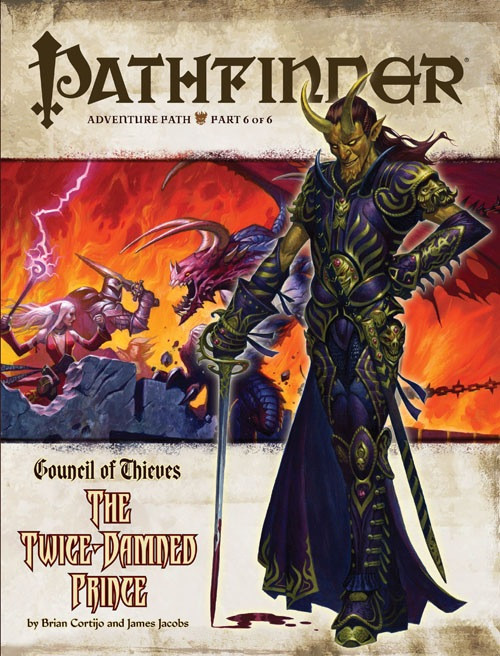
Their deception revealed and their plans waylaid, two deadly and Hell-touched siblings make a desperate final play for control of Westcrown. With the city in chaos and its leaders fled, few stand to defend the beleaguered people when the plots of fiends turn upon them. At the same time, the rulers of Cheliax launch their own ruthless plot to retake control. Can the PCs return order and shatter the Council of Thieves’ age-old stranglehold on Westcrown once and for all? Or will the former capital slide fully into the grip of a terrible new deviltry? It's up to the PCs to decide in the climax of the Council of Thieves Adventure Path! This volume of Pathfinder Adventure Path completes the Council of Thieves Adventure Path, and includes: - “The Twice-Damned Prince,” a Pathfinder RPG adventure for 11th-level characters, by Brian Cortijo and James Jacobs. - Catastrophic new rules for running a variety of calamities, from fires to floods, by Darrin Drader. - New revelations on Mammon, the avaricious archdevil of Erebus, by F. Wesley Schneider. - Pathfinder Varian Jeggare and Radovan face down devilish plots and the laws of Cheliax itself in a gut-wrenching conclusion to the Pathfinder’s Journal, by Dave Gross. - Five new monsters, by Adam Daigle, F. Wesley Schneider, Neil Spicer, and Hank Woon.
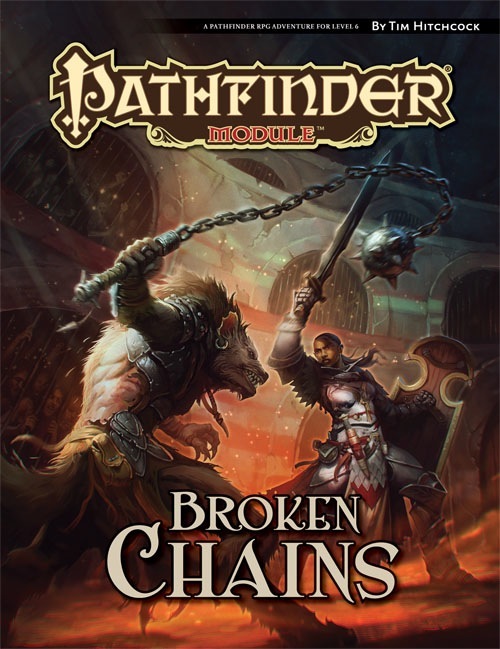
The slave markets of Katapesh may be an unsavory sort of business, but the trade metropolis’s enigmatic law enforcers have few qualms with the legal act of selling and buying flesh. Other factions, including the abolitionist Eagle Knights of Andoran, have their own opinions on the matter, however, and frequently send undercover agents into dangerous territory to break up slave rings. When one such Eagle Knight goes missing while investigating an underground slave operation beneath the dilapidated Twilight Gate district, it’s up to the PCs to delve an abandoned (but hardly uninhabited) qanat beneath Katapesh and discover her dire fate. Yet not everything is as it seems in the dank slave caverns under Twilight Gate, and clues hint that the slavers may have even more loathsome connections than initially suspected.

Deep in the Osirian desert stands the blank-faced monument known as the Sightless Sphinx. In search of the stolen mummy of Chisisek, the architect of the flying tomb of the Sky Pharaoh Hakotep I, the heroes track the cult of the Forgotten Pharaoh to its secret headquarters inside the sphinx. There they must face monstrous mercenaries and servants of the demon lord Areshkagal before finally confronting the masked cultists and their leader, the Forgotten Pharaoh, who has been possessed by a fragment of Hakotep’s soul. This volume of Pathfinder Adventure Path continues the Mummy’s Mask Adventure Path and includes: - "Secrets of the Sphinx,” a Pathfinder adventure for 10th-level characters, by Amber E. Scott. - An exploration of the sinister world of curses, by Russ Taylor. - Two exciting additional encounters in Osirion’s wastes, by Greg A. Vaughan. - Reptilian rage and unexpected rescue in the Pathfinder’s Journal, by Amber E. Scott. - Five new monsters to challenge player characters, by Michael Kortes, David Schwartz, and Larry Wilhelm.
The Sleeper Awakes! At last, after languishing in its crypt for an age, the secrets of the slumbering city of Tsar burst forth in all their macabre glory. Poured forth from the eldritch furnaces and crucibles of the Necromancer and Orcus himself comes Frog God Games bringing you at long last The Slumbering Tsar Saga™. Something Stirs in the City of Evil Over the distant northern hills, beyond The Camp, and past the Desolation stand the pitted walls of Tsar. A hundred armies have crushed themselves against this bulwark in futile attempts to breach the city. Even the combined might of the Heavens and Earth were unable to break through in the final battle of Tsar. So why was the city suddenly abandoned on the verge of victory, and what waits for those foolish enough to enter the Temple-City of Orcus? The Black Gates Await Only the bravest and most powerful of heroes dare the depths of the Desolation and live to tell of it. But what happens when they penetrate that blasted landscape and look upon the gates of the very center of evil on the earth. Can even heroes of such renown breach the Walls of Death and live?
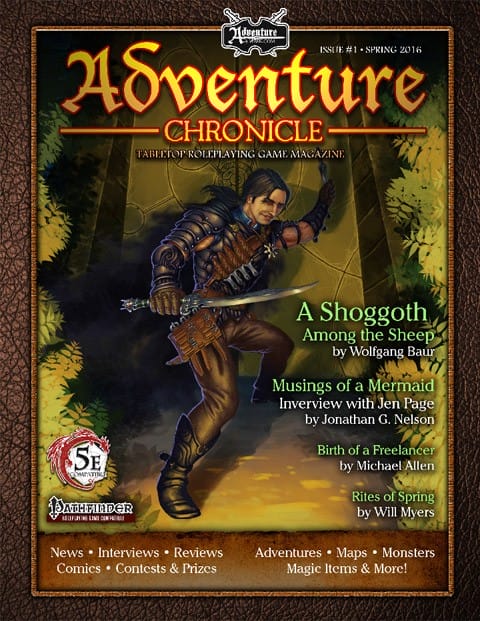
Necromancer Lintu practices undead-focused magic, avant-garde taxidermy, and is one of the most intelligent, successful, and evil people in Morsain. Outwardly helpful about undead, he's a psychotic serial killer happily "sourcing raw materials" himself.
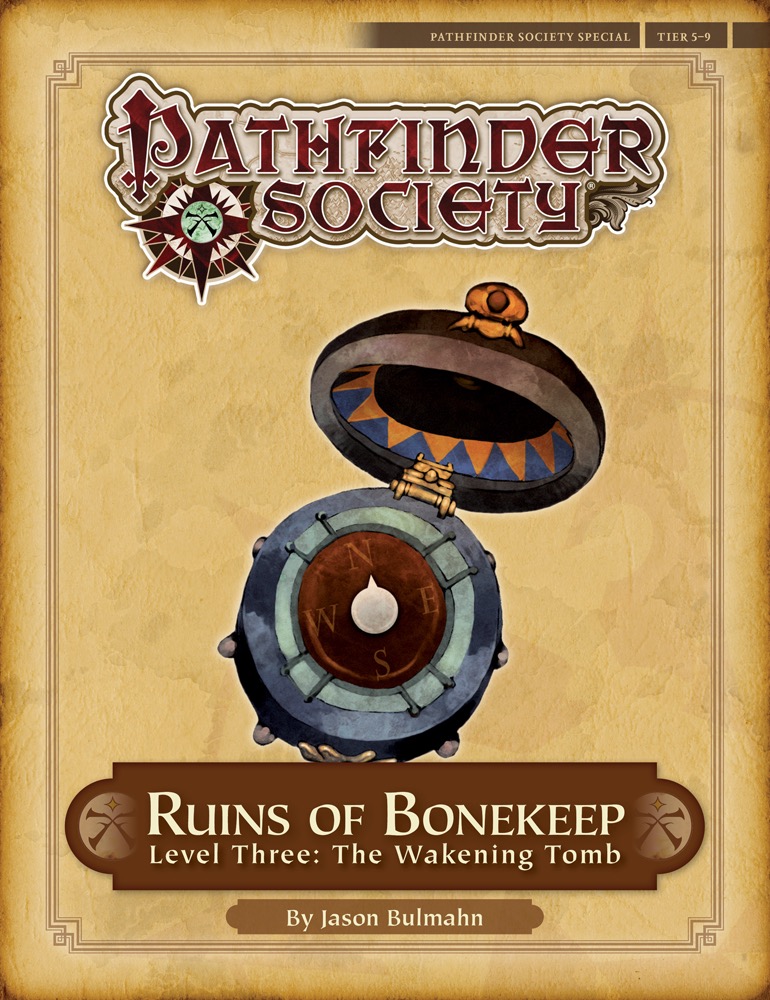
The Pathfinders descend deeper into the ruins of Bonekeep, a centuries-old siege fortress. The deeper dungeons hold even deadlier threats, yet even they cannot compare to the terrible revelations of the tower's true purpose.

The Lotus Blossom Steppes have long been a land of disjointed tribes, squabbling with one another for central rulership. In the past, great rulers laid claim to the Steppes, bringing the tribes under a single banner for a great purpose—be it under the terrible dictatorship of a half-rakshasa khan or an enlightened visionary khan that leads the tribes beyond the borders of the Steppes. Yet there is great power tucked away behind the tribes’ individual banners. All it takes is an individual with enough ambition and enough power to change the destiny of the Lotus Blossom Steppes... and one ambitious man is on the hunt for the fragmented powers of the NewGod war. Can the PCs put an end to a rising warlord's ambitions, or will the Lotus Blossom Steppes fall again into tribal conflict?
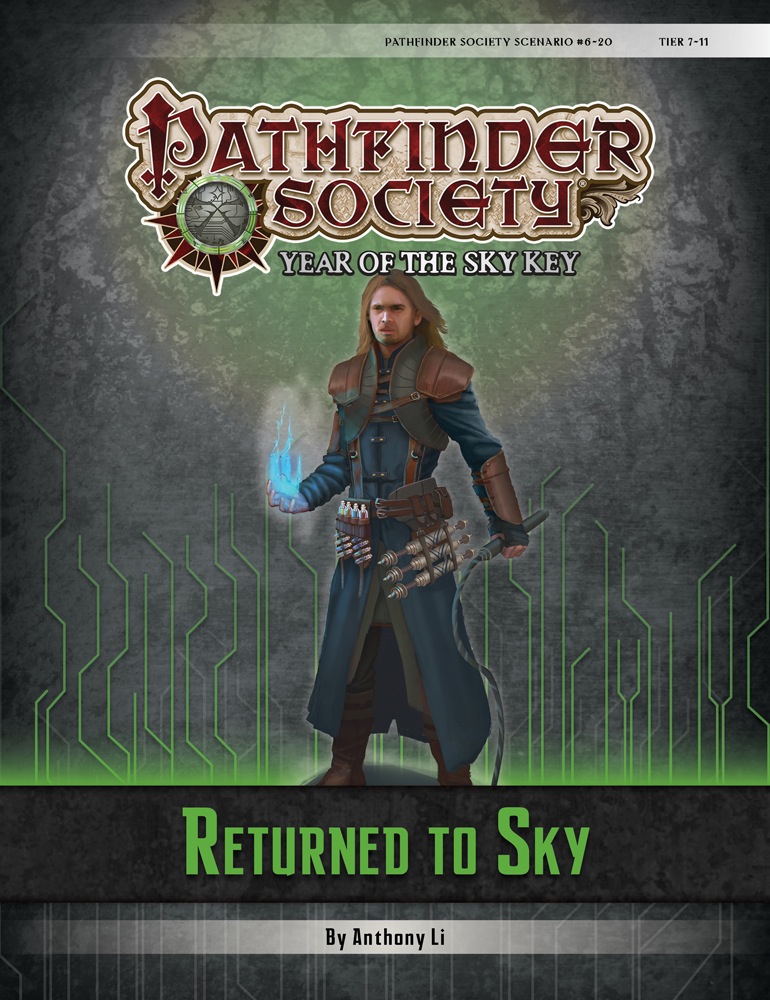
Part of a Numerian relic once thought scattered to the winds has found its way back to the savage land of super-science, and the Pathfinder Society must track down the component if they are to unlock the device’s secrets. Clues point to the economic hub Chesed, where only the descendants of a shattered clan can share where their revered ancestor buried the strange artifact. Can the PCs brave the troubled city, evade the vigilant agents of the Technic League, and survive a trip into the Numerian wastes? Content in “Returned to Sky” contributes directly to the Year of the Sky Key metaplot as well as the ongoing storyline of the Exchange, Liberty’s Edge, and Silver Crusade factions.
A Runelord Rises! The Rise of the Runelords Adventure Path concludes! The Runelord of Greed, Karzoug the Claimer, stirs in the legendary city of Xin-Shalast. There are more forces than an ancient evil wizard at work in this remote corner of Golarion, a place where the boundaries between reality and nightmare are unnaturally thin. Karzoug's minions have awakened as well, among them giants and dragons and devils and worse. Could there be an even deeper evil poised to emerge from the darkness at the dawn of time? Can the Rise of the Runelords be stopped?
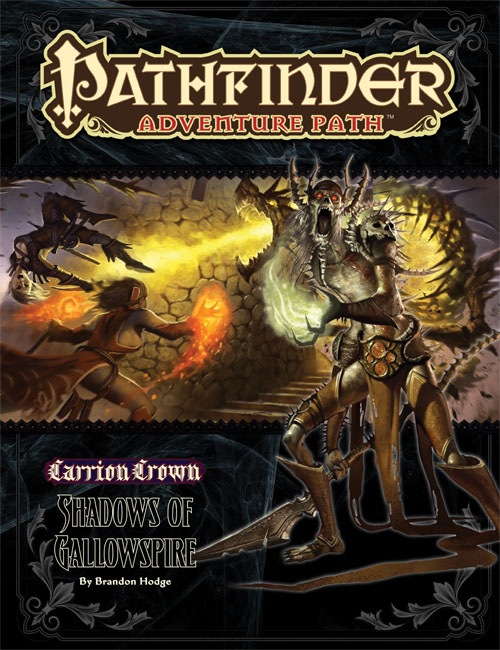
A mad plot to unleash the greatest necromancer the world has ever known draws to its sinister end. As the murderous cultists of the Whispering Way retreat to their profane sanctuary, the powers of death align to resurrect their fallen champion. Bold adventurers pursue these villains, but can their bravery survive the haunted wasteland of Virlych, the accursed cathedral of Renchurch, and ultimately the towering crypt of Gallowspire? And will their boldness be enough to stop the Whispering Tyrant, the infamous lich-king locked away beneath Ustalav’s deadliest ruin, from being reborn upon a defenseless world? The heroes must test their courage against the servants of death itself in this, the climactic final chapter of the Carrion Crown Adventure Path. This volume of Pathfinder Adventure Path includes: “Shadows of Gallowspire,” a Pathfinder RPG adventure for 13th-level characters, by Brandon Hodge Nefarious plots and macabre menaces to prolong the terrors of your Carrion Crown campaign, by F. Wesley Schneider An investigation into the most infamous liches plotting dooms across the Inner Sea region, by Adam Daigle Laurel Cylphra’s attempt to save a soul in the Pathfinder’s Journal, by F. Wesley Schneider Five new monsters by Adam Daigle, Crystal Frasier, and F. Wesley Schneider

In the bowels of one of Westcrown’s most esteemed halls of power lies an unfathomable evil, a terror beyond all reason and sanity, shackled and broken by the magic of a lost archmage. For years this menace has laid fuming, endlessly testing the bars of its prison, gathering its hatred and planning its revenge. Now the machinations of a deadly conspiracy have weakened the chains of this nightmare’s bonds, and in their growing cracks rise the flames of the damned and the promise of Westcrown consumed in hellfire. Can the PCs infiltrate the labyrinth of a madman to put an end to an evil beyond even the heroes of legend? And what foulness would seek to ruin all of Westcrown by gambling with its very soul? This volume of Pathfinder Adventure Path continues the Council of Thieves Adventure Path, and includes: ► “The Infernal Syndrome,” a Pathfinder RPG adventure for 7th-level characters, by Clinton Boomer and James Jacobs. ► The citadels and secrets of the Hellknights, Cheliax’s iron-shod inquisitors, by F. Wesley Schneider. ► Insights into the soul-shaking world of fiendish possessions, by Adam Daigle. ► Murder and mystery for Pathfinder Varian Jeggare in the Pathfinder’s Journal, by Dave Gross. ► Five new monsters, by F. Wesley Schneider and Hank Woon.

A terrible plague has swept through the city of Cairdus, and despite the local clergy’s best efforts, they have been unable to control the spread of the disease. Even those who seem cured often contract the disease again. The only thing that is making any headway are the special blessings given by the powerful Baron Velstaf, but he only grants these blessings for a price that few can afford. The Star of Olindor is an adventure designed for 7th-level rogue, or other character of similar abilities. The obstacles in the adventure are set up to encourage the use of stealth and trickery, and many rely on classic rogue skills. The adventure takes place in the city of Cairdus, the details of which have been intentionally left imprecise, so that it can be easily slipped into an existing campaign, or better yet the adventure can be altered to take place in any existing city. Part 1 of the Olindor Trilogy.
Book 4 in the Iron Gods campaign: A great threat is rising in Silver Mount, but a precious item belonging to a mysterious entity called Casandalee has yet to be found. With the Dominion of the Black still an ever-present danger, players must navigate a dangerous canyon, the Scar of the Spider, in hopes of learning more about their enemies, and to accomplish their mission.

Beneath the fetid roots of a noisome swamp linger the pathetic remnants of a once proud and noble tribe. Laid low by a powerful narcotic administered by their ambitious (but wildly paranoid) mistress, the lizardfolk of the Dark Oak are but a shadow of their former greatness. Now, in the fetid caverns below the slumbering body of a diseased treant she plots to bring bloody slaughter to the folk of the nearby villages before her followers forget their proud heritage and sink into a lethargy from which there is no escape.

Catastrophe strikes the frontier village of Swallowfeld! With a grinding groan, the town’s mill slews into the Kilian River and breaks through the ceiling of an ancient subterranean dungeon. This accident frees a long-imprisoned evil to prey upon the shocked townsfolk. When several Swallowfeld residents—some innocent and some not so innocent—are spirited away into the rapidly flooding dungeon, it falls to a brave group of heroes to venture underground and rescue the missing before dark, rising waters seal their fate.
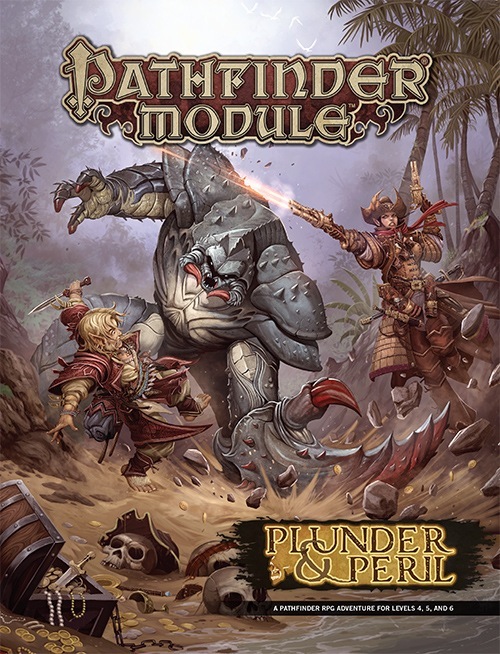
Tall tales of hidden riches are common in the pirate-infested taverns of the Shackles, but when Captain Varossa Lanteri claims to know the location of the secret treasure hoard of legendary Captain Jemma Redclaw, it seems she may be telling the truth. Captain Lanteri hires the PCs on as crew to help her assemble the magic key that will open the door to Redclaw’s treasure... and the ancient cyclops stronghold in which it’s hidden! Can the PCs survive long enough to claim their share of the lost loot, or will their enemies—or their allies—send them to a watery grave?
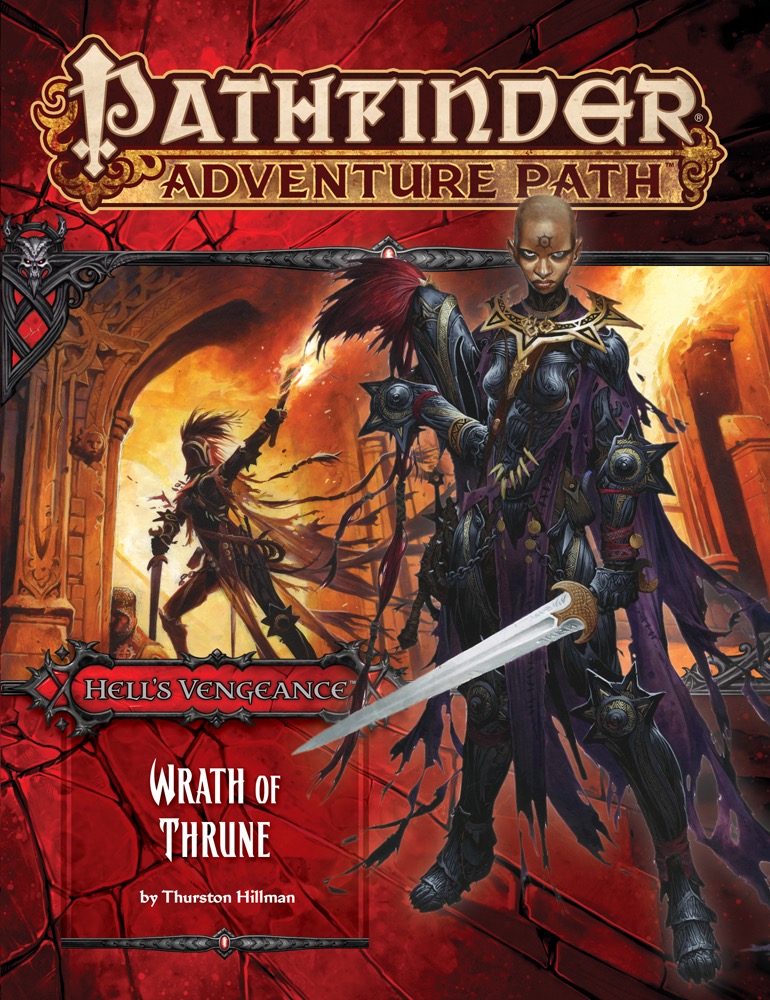
The knightly order known as the Glorious Reclamation continues its crusade against diabolic Cheliax, conquering the town of Kantaria, where the goddess Iomedae once ruled as a mortal. The villainous adventurers, now official agents of House Thrune, must retake the town, depriving the knights of a valuable holy site. Can the evil characters earn greater infamy and prestige by dealing the Glorious Reclamation a serious defeat in their most substantial territorial gain so far, or will the knights' rebellion continue unchecked across Cheliax?
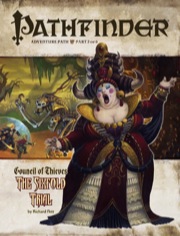
To banish the monstrous shadows that stalk Westcrown by night, the PCs go undercover, joining the city’s chaotic theatrical community in an elaborate plot to infiltrate the estate of the decadent lord-mayor. Yet theater life turns deadly when they become players in a spectacle no actor has ever survived. Can the PCs endure their debut performance in a city where an actor’s first big hit is often his last? This volume of Pathfinder Adventure Path continues the Council of Thieves Adventure Path, and includes: "The Sixfold Trial," a Pathfinder RPG adventure for 3rd-level characters, by Richard Pett The Six Trials of Larazod, the complete and unabridged text of that infamously deadly play, by Nicolas Logue An exploration of the faith of Iomedae the Inheritor, goddess of valor, by Sean K Reynolds Pathfinder Varian Jeggare investigating death among the aristocracy in the Pathfinder’s Journal, by Dave Gross Six new monsters by Darrin Drader, David Eitelbach, Sean K Reynolds, and F. Wesley Schneider

Beginning in the prison of the Castellan of Whitecliff, this campaign arc takes the players from level one to four, presented as a sandbox area in a lonely and gritty peninsula full of villains and opportunities for the players to explore. Much like Stonehell, but for regional play. Published by Coldlight Press