
The nightbound realm of Sithicus is dying! The grey forested crags scarred by jagged rifts echo with the laments of the dying elven nation. But the lord of the land sits uncaring on his blackened throne in the charred castle of Negragaard, lost in ancient memories. Through his passion and hatred the nightmare haunted death knight, Lord Soth, permitted catastrophe to befall his native world of Krynn. Now trapped in the Realm of Terror, Soth has once more brough calamity to his home. Abandoning rule of his twisted realm of Sithicus, Lord Soth has retreated to a still more distorted domain: the mad fantasies of his own history. To save the land and themselves, the heroes must venture into banshee-haunted Nedragaard Keep, and there into the warped mindscapes of a tormented darklord. TSR 9476

The Night of the Rise is a unique adventure that offers the party an alternative to the "hack & slash" approach. The opportunity for role play is high and it is sure to tap into skills and abilities most of your characters never knew they possessed. Not only does it offer a new experience for your players, but hopefully it has them smiling several times during the night. A request to deal with a bandit captain named Giles Ne'Ville sends the adventuring party on a two-day journey. During this journey, they find an entertaining way to deal with this Giles Ne'Ville. Will they use this opportunity? Or will they take the typical 'hack & slash' approach to dealing with villans? This adventure is written in a non-specific location but is easily insertable into any campaign as a one-shot adventure. I feel that it would work great in Strom King's Thunder as an added traveling encounter.
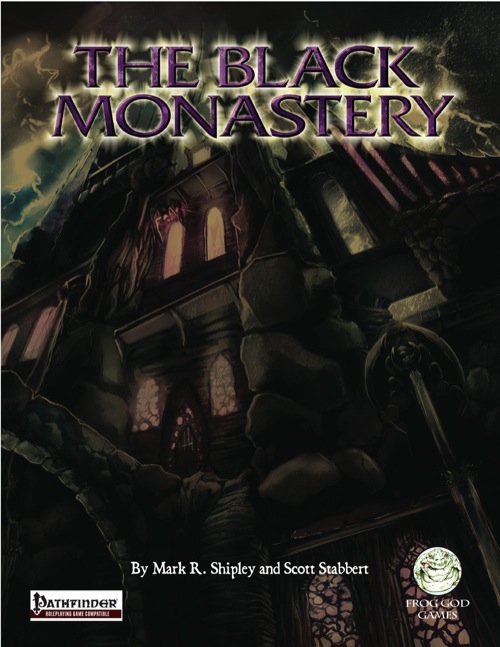
The Legend of the Black Monastery Two centuries have passed since the terrible events associated with the hideous cult known as the Black Brotherhood. Only scholars and story-tellers remember now how the kingdom was nearly laid to waste and the Black Monastery rose to grandeur and fell into haunted ruins. The Brothers first appeared as an order of benevolent priests and humble monks in black robes who followed a creed of kindness to the poor and service to the kingdom. Their rules called for humility and self denial. Other religious orders had no quarrel with their theology or their behavior. Their ranks grew as many commoners and nobles were drawn to the order by its good reputation. The first headquarters for the order was a campsite, located in a forest near the edge of the realm. The Brothers said that their poverty and dedication to service allowed them no resources for more grand accommodations. Members of the Black Brotherhood built chapels in caves or constructed small temples on common land near villages. They said that these rustic shrines allowed them to be near the people they served. Services held by the Brothers at these locations attracted large numbers of common people, who supported the Black Brotherhood with alms. Within 50 years of their first appearance, the Black Brotherhood had a number of larger temples and abbeys around the kingdom. Wealthy patrons endowed them with lands and buildings in order to buy favor and further the work of the Brothers. The lands they gained were slowly expanded as the order’s influence grew. Many merchants willed part of their fortunes to the Black Brotherhood, allowing the order to expand their work even further. The Brothers became bankers, loaning money and becoming partners in trade throughout the kingdom. Within 200 years of their founding, the order was wealthy and influential, with chapters throughout the kingdom and spreading into nearby realms. With their order well-established, the Black Brotherhood received royal permission to build a grand monastery in the hill country north of the kingdom’s center. Their abbot, a cousin of the king, asked for the royal grant of a specific hilltop called the Hill of Mornay. This hill was already crowned by ancient ruins that the monks proposed to clear away. Because it was land not wanted for agriculture, the king was happy to grant the request. He even donated money to build the monastery and encouraged others to contribute. With funds from around the realm, the Brothers completed their new monastery within a decade. It was a grand, sprawling edifice built of black stone and called the Black Monastery. From the very beginning, there were some who said that the Black Brotherhood was not what it seemed. There were always hints of corruption and moral lapses among the Brothers, but no more than any other religious order. There were some who told stories of greed, gluttony and depravity among the monks, but these tales did not weaken the order’s reputation during their early years. All of that changed with the construction of the Black Monastery. Within two decades of the Black Monastery’s completion, locals began to speak of troubling events there. Sometimes, Brothers made strange demands. They began to cheat farmers of their crops. They loaned money at ruinous rates, taking the property of anyone who could not pay. They pressured or even threatened wealthy patrons, extorting money in larger and larger amounts. Everywhere, the Black Brotherhood grew stronger, prouder and more aggressive. And there was more… People began to disappear. The farmers who worked the monastery lands reported that some people who went out at night, or who went off by themselves, did not return. It started with individuals…people without influential families…but soon the terror and loss spread to even to noble households. Some said that the people who disappeared had been taken into the Black Monastery, and the place slowly gained an evil reputation. Tenant farmers began moving away from the region, seeking safety at the loss of their fields. Slowly, even the king began to sense that the night was full of new terrors. Across the kingdom, reports began to come in telling of hauntings and the depredations of monsters. Flocks of dead birds fell from clear skies, onto villages and city streets. Fish died by thousands in their streams. Citizens reported stillborn babies and monstrous births. Crops failed. Fields were full of stunted plants. Crimes of all types grew common as incidents of madness spread everywhere. Word spread that the center of these dark portents was the Black Monastery, where many said the brothers practiced necromancy and human sacrifice. It was feared that the Black Brotherhood no longer worshipped gods of light and had turned to the service of the Dark God. These terrors came to a head when the Black Brotherhood dared to threaten the king himself. Realizing his peril, the king moved to dispossess and disband the Black Brother hood. He ordered their shrines, abbeys and lands seized. He had Brothers arrested for real and imagined crimes. He also ordered investigations into the Black Monastery and the order’s highest ranking members. The Black Brotherhood did not go quietly. Conflict between the order and the crown broke into violence when the Brothers incited their followers to riot across the kingdom. There were disturbances everywhere, including several attempts to assassinate the king by blades and by dark sorcery. It became clear to everyone that the Black Brotherhood was far more than just another religious order. Once knives were drawn, the conflict grew into open war between the crown and the Brothers. The Black Brotherhood had exceeded their grasp. Their followers were crushed in the streets by mounted knights. Brothers were rounded up and arrested. Many of them were executed. Armed supporters of the Black Brotherhood, backed by arcane and divine magic, were defeated and slaughtered. The Brothers were driven back to their final hilltop fortress – the Black Monastery. They were besieged by the king’s army, trapped and waiting for the king’s forces to break in and end the war. The final assault on the Black Monastery ended in victory and disaster. The king’s army took the hilltop, driving the last of the black-robed monks into the monastery itself. The soldiers were met by more than just men. There were monsters and fiends defending the monastery. There was a terrible slaughter on both sides. In many places the dead rose up to fight again. The battle continued from afternoon into night, lit by flames and magical energy. The Black Monastery was never actually taken. The king’s forces drove the last of their foul enemies back inside the monastery gates. Battering rams and war machines were hauled up the hill to crush their way inside. But before the king’s men could take the final stronghold, the Black Brotherhood immolated themselves in magical fire. Green flames roared up from the monastery, engulfing many of the king’s men as well. As survivors watched, the Black Monastery burned away, stones, gates, towers and all. There was a lurid green flare that lit the countryside. There was a scream of torment from a thousand human voices. There was a roar of falling masonry and splitting wood. Smoke and dust obscured the hilltop. The Black Monastery collapsed in upon itself and disappeared. Only ashes drifted down where the great structure had stood. All that was left of the Black Monastery was its foundations and debris-choked dungeons cut into the stones beneath. The war was over. The Black Brotherhood was destroyed. But the Black Monastery was not gone forever. Over nearly two centuries since its destruction, the Black Monastery has returned from time to time to haunt the Hill of Mornay. Impossible as it seems, there have been at least five incidents in which witnesses have reported finding the Hill of Mornay once again crowned with black walls and slate-roofed towers. In every case, the manifestation of this revenant of the Black Monastery has been accompanied by widespread reports of madness, crime and social unrest in the kingdom. Sometimes, the monastery has appeared only for a night. The last two times, the monastery reappeared atop the hill for as long as three months…each appearance longer than the first. There are tales of adventurers daring to enter the Black Monastery. Some went to look for treasure. Others went to battle whatever evil still lived inside. There are stories of lucky and brave explorers who have survived the horrors, returning with riches from the fabled hordes of the Black Brotherhood. It is enough to drive men mad with greed – enough to lure more each time to dare to enter the Black Monastery.
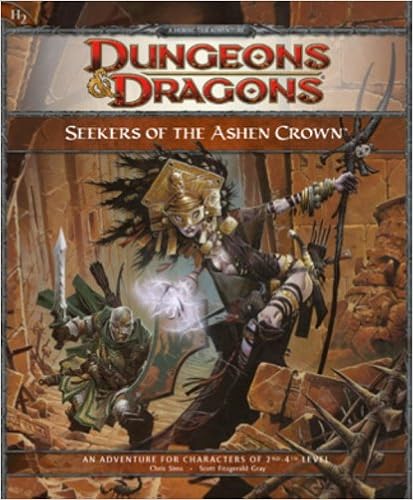
Will the adventurers be able to thwart the machinations of a mad dragon in the hopes of saving the city of Sharn from certain destruction? Is the slinky elven maiden really in trouble or working for the enemy? Is the body in the morgue really the center of this whole puzzle or merely one piece? This adventure, in the style of a Dashiell Hammett novel, will certainly test their skill and resolve. This is the first full adventure for Eberron with the 4th edition D&D(R) rules. This adventure builds on the sample adventure provided in the Eberron Campaign Guide but is also playable as a stand-alone adventure.

In the fourth installment of the Into the Underdark adventure series, characters come face to face with the heretofor unseen puppet master behind most of the strife and chaos in the Shadowed Hallows, Gyldrith the Chosen, a dreaded deep dragon! Includes: Three all new maps of Gyldrith's lair, and those of her minions Two all new monsters, the Ancient Deep Dragon and her Warlock of the Deep Dragon A new player option, the Deep Dragon patron for the Warlock Class. Unnumbered maps suitable for use in your favorite VTT Continues the story from Into the Underdark Part 1 - The Descent with areas and NPCs from The Shadowed Hollows Gazetteer

Your chase to wipe out the vampires of Undermountain leads to the Slitherswamp. The master vampire is close at hand! Part Three of the Vampire Hunt trilogy.
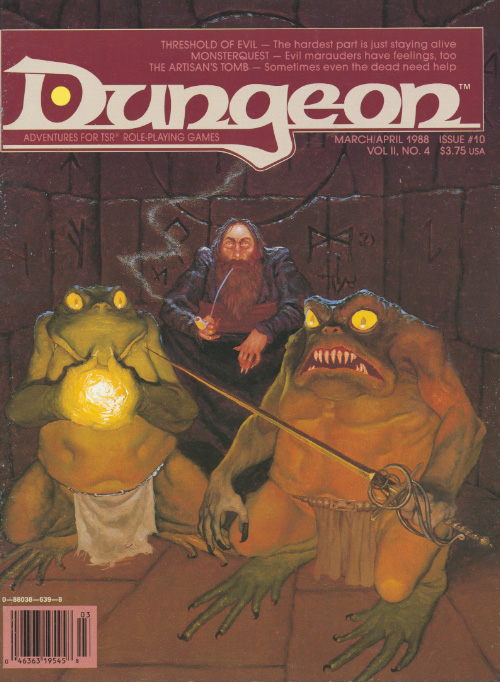
On a storm-blasted mountain lives an immortal Arch-Mage with a foul temper. The townspeople want you to talk to him - and kill him, if necessary. Is immortality worth the price? An Arch-Mage's magics threaten a small village. To protect it the party must brave a dangerous climb, and survive the Mage's warded lair. Pgs. 43-64

Time Is Meaningless in Castle Tristenoira Forlorn has long remained hidden in the shadows of notorious Barovia and Kartakass, yet the tiniest domain in the lands of the core is nearly as old as Ravenloft itself. This land is sick with evil, a twisted mockery of the place it once was. It is filled with creatures of despair who were drawn into the demiplane of dread.... Within Castle Tristenoira lies oblivion. The crumbling keep slips in and out of time, carrying its unwary explorers across the centuries, where they may be abandoned to the cold winds of eternity - and to the ghosts in the castle! Spirits both innocent and guilty haunt the timeless passages, whispering tales of murder and vengeance. Escape is for the lucky...or the hopelessly mad. The Castles Forlorn adventure set provides the DUNGEON MASTER with a rich and complex domain in which to set a campaign of any size and duration. It includes a 96-page sourcebook, The Weeping Land, which reveals the complete history of the domain and the strange and terrible lord who rules over it. Descriptions of the living and dead who call this lonely land home abound, as do details of the forbidding Tristenoira castle, where adventures may spend an evening or an age. After learning Forlorn's history of sorrow, the DM can lead player characters into Melancholy Meetings, a 32-page collection of encounters that provide adventure in every corner of the domain. Finally, only Eve of Sorrows remains, which is a 32-page assortment of mysteries and nightmares within the castle itself. This deluxe boxed adventure set completes the portrait of Forlorn with a highly detailed, double-sided poster map of the castle, a poster map of the domain, and a special wall poster created by award-winning artist Robh Ruppel - all in full color. Includes 2 adventures: Eve of Sorrows Melancholy Meetings TSR 1088
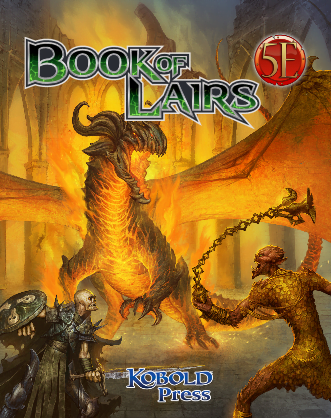
"Den of the Rotten Kings" is a wererat lair suitable for four 3rd-level characters. This adventure can be completed in one session.
No description available.

The town of Whitehaven is beset with undead. The townsfolk are quick to blame the Witch of Whitehaven, who lives nearby with her partner in the Surbrin Hills. Yet a more insidious evil lurks in the midst of town, cloaked in a holy man’s robes. And far underground, an ancient evil artifact stirs. The town is in need of heroes. Will you answer the call?

With the discovery of an enormous diamond deposit nestled on their borders, the kingdoms of Peldadrin and Belford both claim the repository of indispensable gemstones as their own. After years of negotiations fail to bring a peaceful resolution, the two nations (further incited by sentiments of national pride that have risen over the years of negotiations) determine the diamonds will be claimed only through war. In the early days of the war, Private Geth Heston, a Belford scout with rich Peldadrin ancestry, was dispatched into enemy territory to uncover Peldadrin unit formations, patrol routes, and any other information he could find. It’s been two weeks since Geth sent his latest report, putting Belford command in a state of unease. The information Geth alluded to in his last message could change the course of the war, if proven true.

Today we kick off offerings from Margou Campaign. This scenario takes a group of 3rd level PCs that come upon, with help, an abandoned manor home. Perhaps they will find treasure or maybe death is about to find them!

Buried in the desert sands of Mulhorand, near the city of Mishtan, lies an ancient stone statue of a sphinx queen. After a fierce sandstorm reveals a huge tablet etched with hieroglyphs between the statue’s paws, the PCs must translate the strange writing to find the secret entrance into the Temple of the Sphinx Queen. The conclusion offers three optional endings for DMs to choose from to suit their players, including a wicked trap, a twist that leads to further adventures, or a tough climactic combat suitable for a one-shot. Included are: Five new Egyptian-themed monsters: The Sphinx Queen, Black Lion Guardian, Zombie Scarabs, Snake of Set and Desert Spirit. A new weapon, the khopesh Four new magic items: Statue of Set, Guardian Khopesh of Set, Warded Puzzle Box and Minor Concoction of Healing Two hieroglyphic puzzle player handouts and a DMs translator sheet
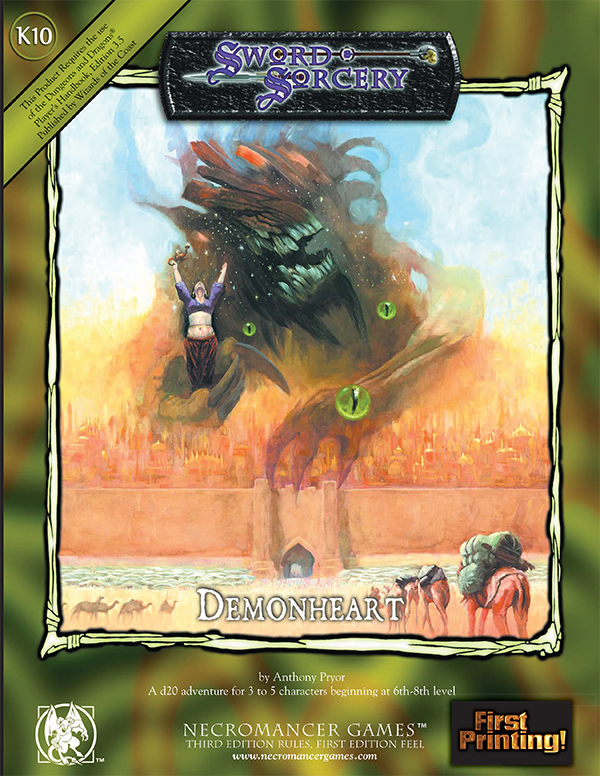
Demonheart is a D20 adventure campaign for 4-5 characters. As it is a long and fairly involved story, characters should be level 6-8 when they begin and will earn enough experience to rise to levels 10-12. Demonheart includes many opportunities for both combat and roleplaying. At least one fighter-type is required, and given the wild, frontier nature of the campaign, a ranger’s skills would be especially useful. Stealth and intrigue also favor rogue characters, while a cleric, particularly from a martial order who can fight well would find plenty of opportunity to use his or her powers against the undead and evil outsiders. Demonheart also takes place in a wilderness setting where ancient magic abounds, and the special nature skills of a druid will help the party to make friends with some of the land’s fey or wild elvish inhabitants. Sorcerers and wizards will likewise find use for their talents, but those who understand divine or druidic magic may be more important than arcanists. As this adventure involves the struggle against evil, both ancient and resurgent, the party’s overall alignment should be good, though individuals of other alignments may be tempted to use the ancient magic of the forest for their own ends, or even join with the forces of evil!
A new D&D adventure for first-level characters. Scourge of the Howling Horde is a D&D adventure for first-level characters that pits heroes against a menacing tribe of goblins and their monstrous allies. It showcases a new encounter format designed to help Dungeon Masters run memorable encounters more easily. It also includes sidebars that contain useful advice such as differences when running the adventure for new players or for seasoned players.

Rare portals between the planes sometimes appear in the Caslan Woods. Recently though, these mythical woods have slowly moldered into swampland. As if that wasn’t grim enough, bands of ogres and kobolds raid nearby settlement without fear of reprisal. Your adventuring party traverses the Caslan Woods, hoping to find the source to these strange occurrences. What lies at the heart of the swamp, however, is anything but expected.

The Pit of The Oracle is a game module designed for use with the rules of Advanced Dungeons & Dragons. It can be used by itself as a self-contained campaign (or as a springboard to a larger campaign), or it can be easily incorporated into an existing campaign. Comment: Level range is my best guess. Adventure includes a lot of unique short-hand
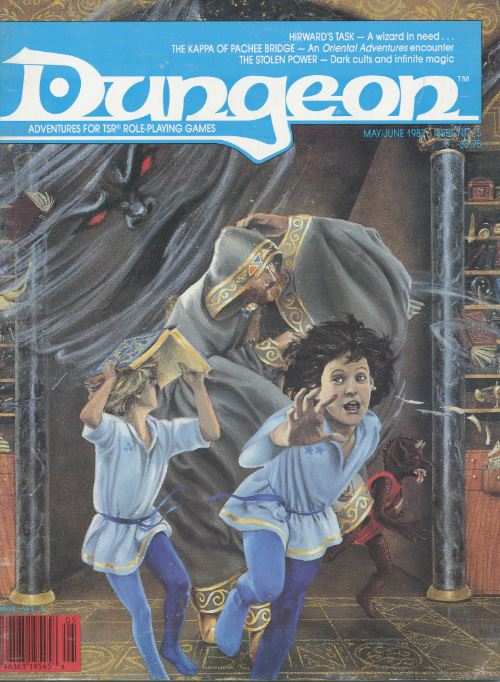
An evil cult with a trick up its sleeve. A missing tome, a trail of clues and an unusual cult. Lawful-good characters, especially paladins are recommended for this adventure. Clerics of Aphrodite, Hanali Celanil, Hera, and lshtar have a special interest in despoiling the cult of Shami-Amourae. [Note: Adventure contains statistics for the Demigod Succubus, Shami-Amourae] Pgs. 19-27

All the PCs did was help a dwarf recover his magic ring. So how did they end up in the middle of a tragic love triangle? The Ring of Truth is a short adventure for 2nd level PCs. Includes a 5th edition version of the necrophidius, a classic monster from the 3rd edition Fiend Folio.