
The Premature Burial is the first in a series of four interconnected stories that recall the themes and atmosphere of Edgar Allan Poe's Tales of Terror. Baldur's Gate, year 1492 DR, a dark and terrifying sect works secretly in the slums with the aim of punishing all those who have long oppressed, marginalized and killed the city's poorest and weakest citizens. The patriars, unaware of anything, are the cult's main targets, and a magical plague is about to fall on them that can cause a veritable slaughter. The characters will find themselves caught up in these dangerous events and will be drawn into a spiral of horror, blood and madness that will strain their bodies and souls. The Prior who leads the mysterious cult has "a special plan" in mind for them and will do anything to achieve his goal. Players will be forced more than once to question their morals and make difficult choices in a scenario of complex social conflicts, personal revenge stories and tremendous machinations. What repercussions would the cult's plan have if it were carried out? And what would happen instead if it were averted and the patriars continued to run the city as they always have? Shadows as black as night once again loom over Baldur's Gate, and this time they may change its face forever. - Adventure: story lasting 4 to 8 hours for characters ranging in level from 4 to 6 - Setting: adventure set in the famous city of Baldur's Gate but easily adaptable to any setting - Narrative: detailed descriptions and an emphasis on story immersiveness - Roleplay: in-depth characterization of NPCs with biographies, descriptions of their personalities and their physical appearance - Bestiary: 3 new customizable opponents with the mechanics "Affixes," which can add an extra degree of complexity to confrontations, and " Weak spots," which grant a strategic advantage to characters who manage to discover them - Magic: obscure and unknown spells used by cultists to carry out their plans - Layout: designed to make it easier for DMs to browse information, featuring special attention to color coding and visual immediacy of text boxes - Maps: 3 maps available in high resolution, VTT and printer-friendly versions - PDF: available in high-quality, interactive, printer-friendly print versions - Playlist: a collection of songs selected by the authors to create the right atmosphere during game sessions

The time is now! The yuan-ti lay on the cusp of freeing an ancient being of insurmountable evil from its imprisonment. Should this happen, Faerûn may very well be plunged into an age of darkness. You have traveled the width and breadth of the peninsula and learned what you could about your foe. Now it’s time to put that knowledge to use. Steel yourself, adventurer, there are important deeds to be done! A Four-Hour Adventure for 11th-16th Level Characters

Encounters in the Savage Underdark is a 150-page supplement containing mini-adventures, NPCs, locations, and magic items,from eighteen of the DMsGuild's best authors.This incredible 150 page supplement features 24 amazing new Underdark adventures. Visit Annarei's Garden Encounter an insane aboleth Interact with traveling merchants Attend the Fire Fest Perform an Underdark heist and so much more....

You have traveled to the westernmost point in the Duchy of Starryshade as you make your way to the borderlands. Your final stop in the duchy is a small roadside inn called the Shepherd’s Spear Inn. While stopping for a respite you hear a few tales including a mysterious abbey nearby. This structure is said to only appear for a short time every three years. Magic and wealth are said to be lost within the walls of this structure and with little else to do this might be a final hurrah for your stay in Starryshade!

In the beginning, a pair of sphinxes — one male and one female — guarded a desert temple in relative peace. They watched over a vault that held a magical ring that could change the world. The androsphinx — Bazymoros — succumbed to corruption; he denounced the trickster god who created him. Bazymoros forged a pact with the demon god, Baphomet, becoming violent and sought to claim the item in the name of his patron. In an effort to save the world, the gynosphinx Asmuzi defeated him. She locked Bazymoros away, never again to see the light of day. The androsphinx remained as an example of what not to become. It has been so long since this battle that much of the knowledge of Bazymoros has disappeared from the collective memory of the races that inhabit the world. All that remains is the knowledge of the dangerous gynosphinx made from the flesh of human and creature. . . and the treasure she keeps.

A flock of kenku bandits have discovered the ruined remains of a temple site, and have used it as their hideout while they raid unsuspecting travelers on nearby roads. It's up to the PCs to clear their nest, recover stolen goods, and rescue their hostages. Will the players be bested by these dirty birds? Or will they have the bandits eating crow?
Rare portals between the planes sometimes appear in the Caslan Woods. Recently though, these mythical woods have slowly moldered into swampland. As if that wasn’t grim enough, bands of ogres and kobolds raid nearby settlement without fear of reprisal. Your adventuring party traverses the Caslan Woods, hoping to find the source to these strange occurrences. What lies at the heart of the swamp, however, is anything but expected.
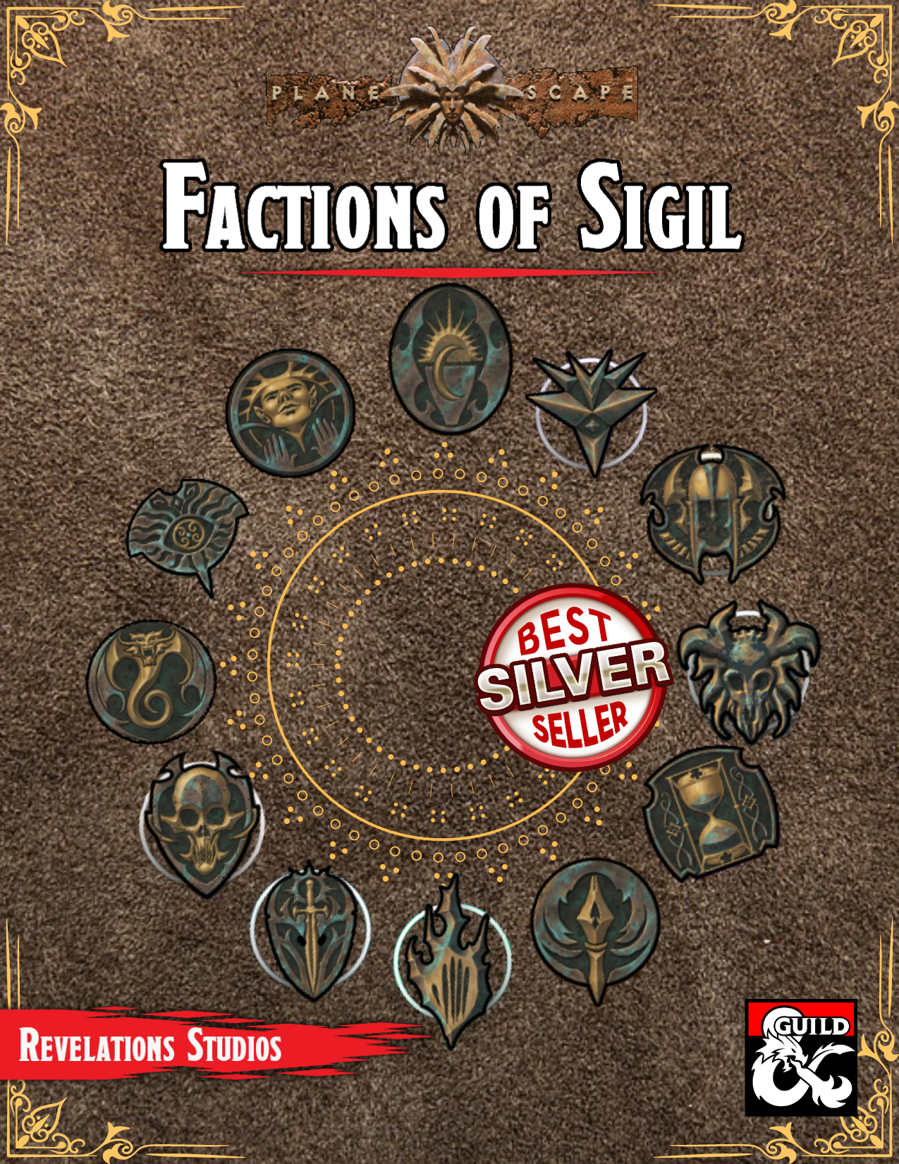
We get it. Factions are an integral part of D&D, but it's not always clear how to use them in your campaigns. Luckily, Factions of Sigil has you covered for each of the twelve main factions found across Sigil and the Outlands! This supplement goes over the various rules and lore around the primary factions found in Sigil and the Outlands, making it easy for any new or veteran DMs to integrate the factions more into the core stories being told, and making them feel more useful for the players that choose to join. This adventure sees the characters ally with the Athar of Sigil to raid the Abbey of the Iron Star and destroy the devils within who are attempting to bring Asmodeus to Sigil.
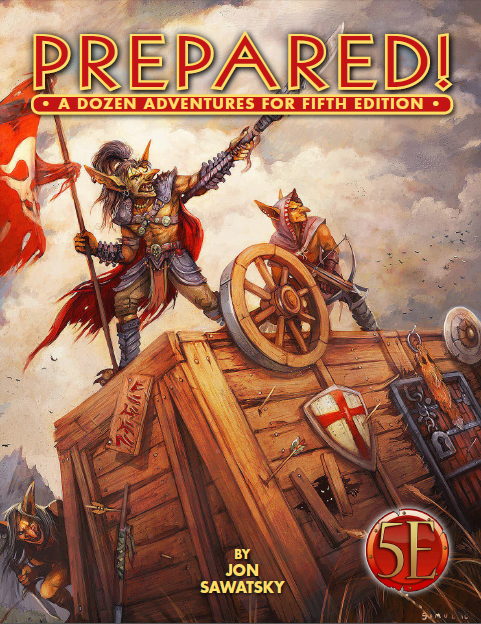
She lay down her sword and wept; her tears are the water. She lay down her body and slept; her bones are the fountain. Atop the mountain, at the war’s end, a place for gods to wonder.

An insane villain plots ruin deep beneath the city of Sharn. In order to save the city, the PCs must find the one thing that can stop him, an enormous Siberys dragonshard hidden somewhere in the jungles of the lost continent of Xen'drik. "Temple of the Scorpion God" is part two of the three-part Shards of Eberron Campaign Arc. Pgs. 66-75

Snakes fly, stones walk, and colossal monsters burrow in the world's crust - do these omens fore-tell catastrophe? Perhaps so, for now the dark elves walk in the sunlight, wearing armor that turns the shcaprest blades and strongest spells. They are poised to conquer the fabulous Hollow World. But what is this armor? How does its creation involve the ancient, mile-long Great Annelids, as well as those wondrous creatures, the feathered serpents? The mystery's solution draws your heroes across three thousand miles, from ruins to seaports, through the trackless caverns beneath the World's Spine, and finally to the eternal land of Nithia. There, your heroes discover the true meaning of... NIGHTRAGE! Nightrage is the second part of the far-ranging Blood Brethren Trilogy. You can play these three Hollow World modules in any order, or play this 64-page adventure by itself. You need the D&D Hollow World Campaign set to play. Easily adaptable to the AD&D game! TSR 9310

𝐂𝐨𝐫𝐚𝐥 𝐏𝐚𝐥𝐚𝐜𝐞 𝐨𝐟 𝐭𝐡𝐞 𝐌𝐚𝐫𝐢𝐝 𝐓𝐡𝐞 𝐒𝐞𝐜𝐨𝐧𝐝 𝐢𝐧 𝐚 𝐒𝐞𝐫𝐢𝐞𝐬 𝐨𝐟 𝐉𝐞𝐰𝐞𝐥 𝐇𝐞𝐢𝐬𝐭𝐬 𝐚𝐭 𝐭𝐡𝐞 𝐄𝐧𝐝 𝐨𝐟 𝐭𝐡𝐞 𝐌𝐮𝐥𝐭𝐢𝐯𝐞𝐫𝐬𝐞 Wherein our adventurers seek out the Emerald of Aquatic Perfection, reputed to be held within an extraplanar undersea genie basilica. 𝐀 𝐃&𝐃 𝟓𝐄 𝐚𝐝𝐯𝐞𝐧𝐭𝐮𝐫𝐞 𝐟𝐨𝐫 𝟒-𝟕 𝐜𝐡𝐚𝐫𝐚𝐜𝐭𝐞𝐫𝐬 𝐨𝐟 𝟏𝟐𝐭𝐡-𝟏𝟓𝐭𝐡 𝐥𝐞𝐯𝐞𝐥. 𝟒𝟎 𝐩𝐚𝐠𝐞𝐬.
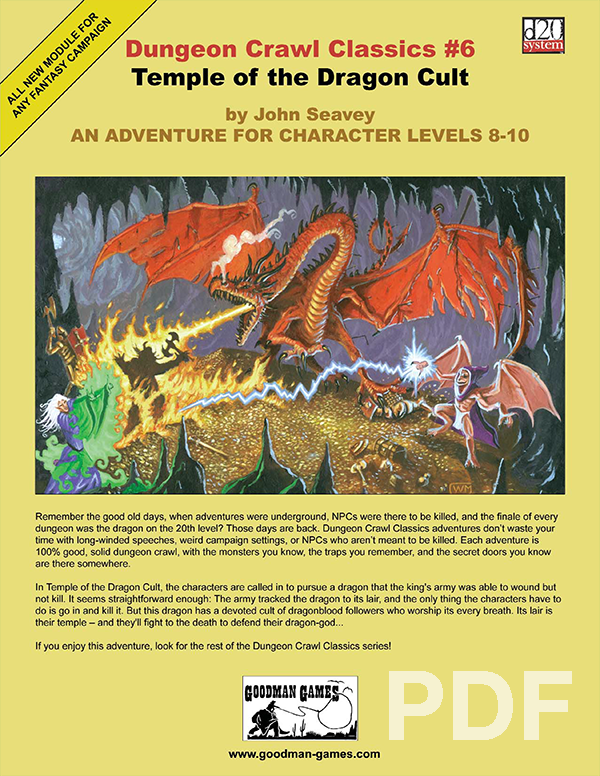
In Temple of the Dragon Cult, the characters are called in to pursue a dragon that the king’s army was able to wound but not kill. It seems straightforward enough: the army tracked the dragon to its lair, and all the characters have to do is go in and kill it. But this dragon has a devoted cult of dragonblood followers who worship its every breath. Its lair is their temple — and they’ll fight to the death to defend their dragon-god…

A Slumbering Serpent Hidden in the thick rainforest of Serpent Isle is a crumbled yuan-ti citadel. These foul snakefolk have been dormant for decades, but have been awoken in order to fill out some foul prophecy. Delving deep into their most sacred temple; Oss’Ithek, is the only way to uncover the dark secret which they hold so dear. Do you have the nerve to face the serpent?

After a string of successful adventures, you find yourselves reequipping gear in the small community of Tarten. After an unusual currency exchange in the mercantile, the party learns that a group of adventurers had encountered some Goblins possessing old currency belonging to the Co-Tai people. Well, it ain’t grave robbin’ if someone else did for you!
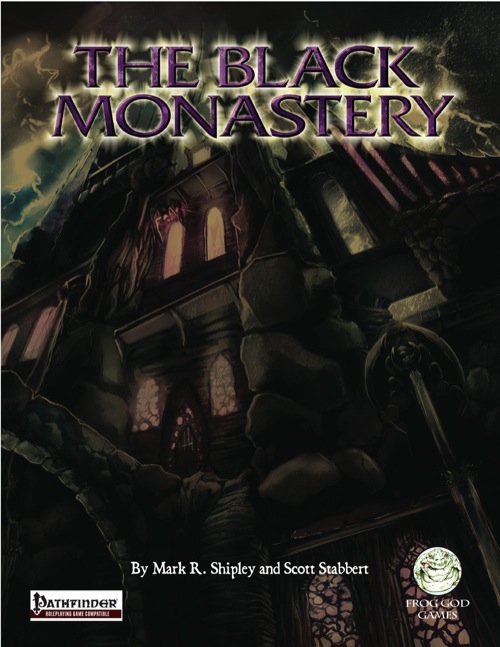
The Legend of the Black Monastery Two centuries have passed since the terrible events associated with the hideous cult known as the Black Brotherhood. Only scholars and story-tellers remember now how the kingdom was nearly laid to waste and the Black Monastery rose to grandeur and fell into haunted ruins. The Brothers first appeared as an order of benevolent priests and humble monks in black robes who followed a creed of kindness to the poor and service to the kingdom. Their rules called for humility and self denial. Other religious orders had no quarrel with their theology or their behavior. Their ranks grew as many commoners and nobles were drawn to the order by its good reputation. The first headquarters for the order was a campsite, located in a forest near the edge of the realm. The Brothers said that their poverty and dedication to service allowed them no resources for more grand accommodations. Members of the Black Brotherhood built chapels in caves or constructed small temples on common land near villages. They said that these rustic shrines allowed them to be near the people they served. Services held by the Brothers at these locations attracted large numbers of common people, who supported the Black Brotherhood with alms. Within 50 years of their first appearance, the Black Brotherhood had a number of larger temples and abbeys around the kingdom. Wealthy patrons endowed them with lands and buildings in order to buy favor and further the work of the Brothers. The lands they gained were slowly expanded as the order’s influence grew. Many merchants willed part of their fortunes to the Black Brotherhood, allowing the order to expand their work even further. The Brothers became bankers, loaning money and becoming partners in trade throughout the kingdom. Within 200 years of their founding, the order was wealthy and influential, with chapters throughout the kingdom and spreading into nearby realms. With their order well-established, the Black Brotherhood received royal permission to build a grand monastery in the hill country north of the kingdom’s center. Their abbot, a cousin of the king, asked for the royal grant of a specific hilltop called the Hill of Mornay. This hill was already crowned by ancient ruins that the monks proposed to clear away. Because it was land not wanted for agriculture, the king was happy to grant the request. He even donated money to build the monastery and encouraged others to contribute. With funds from around the realm, the Brothers completed their new monastery within a decade. It was a grand, sprawling edifice built of black stone and called the Black Monastery. From the very beginning, there were some who said that the Black Brotherhood was not what it seemed. There were always hints of corruption and moral lapses among the Brothers, but no more than any other religious order. There were some who told stories of greed, gluttony and depravity among the monks, but these tales did not weaken the order’s reputation during their early years. All of that changed with the construction of the Black Monastery. Within two decades of the Black Monastery’s completion, locals began to speak of troubling events there. Sometimes, Brothers made strange demands. They began to cheat farmers of their crops. They loaned money at ruinous rates, taking the property of anyone who could not pay. They pressured or even threatened wealthy patrons, extorting money in larger and larger amounts. Everywhere, the Black Brotherhood grew stronger, prouder and more aggressive. And there was more… People began to disappear. The farmers who worked the monastery lands reported that some people who went out at night, or who went off by themselves, did not return. It started with individuals…people without influential families…but soon the terror and loss spread to even to noble households. Some said that the people who disappeared had been taken into the Black Monastery, and the place slowly gained an evil reputation. Tenant farmers began moving away from the region, seeking safety at the loss of their fields. Slowly, even the king began to sense that the night was full of new terrors. Across the kingdom, reports began to come in telling of hauntings and the depredations of monsters. Flocks of dead birds fell from clear skies, onto villages and city streets. Fish died by thousands in their streams. Citizens reported stillborn babies and monstrous births. Crops failed. Fields were full of stunted plants. Crimes of all types grew common as incidents of madness spread everywhere. Word spread that the center of these dark portents was the Black Monastery, where many said the brothers practiced necromancy and human sacrifice. It was feared that the Black Brotherhood no longer worshipped gods of light and had turned to the service of the Dark God. These terrors came to a head when the Black Brotherhood dared to threaten the king himself. Realizing his peril, the king moved to dispossess and disband the Black Brother hood. He ordered their shrines, abbeys and lands seized. He had Brothers arrested for real and imagined crimes. He also ordered investigations into the Black Monastery and the order’s highest ranking members. The Black Brotherhood did not go quietly. Conflict between the order and the crown broke into violence when the Brothers incited their followers to riot across the kingdom. There were disturbances everywhere, including several attempts to assassinate the king by blades and by dark sorcery. It became clear to everyone that the Black Brotherhood was far more than just another religious order. Once knives were drawn, the conflict grew into open war between the crown and the Brothers. The Black Brotherhood had exceeded their grasp. Their followers were crushed in the streets by mounted knights. Brothers were rounded up and arrested. Many of them were executed. Armed supporters of the Black Brotherhood, backed by arcane and divine magic, were defeated and slaughtered. The Brothers were driven back to their final hilltop fortress – the Black Monastery. They were besieged by the king’s army, trapped and waiting for the king’s forces to break in and end the war. The final assault on the Black Monastery ended in victory and disaster. The king’s army took the hilltop, driving the last of the black-robed monks into the monastery itself. The soldiers were met by more than just men. There were monsters and fiends defending the monastery. There was a terrible slaughter on both sides. In many places the dead rose up to fight again. The battle continued from afternoon into night, lit by flames and magical energy. The Black Monastery was never actually taken. The king’s forces drove the last of their foul enemies back inside the monastery gates. Battering rams and war machines were hauled up the hill to crush their way inside. But before the king’s men could take the final stronghold, the Black Brotherhood immolated themselves in magical fire. Green flames roared up from the monastery, engulfing many of the king’s men as well. As survivors watched, the Black Monastery burned away, stones, gates, towers and all. There was a lurid green flare that lit the countryside. There was a scream of torment from a thousand human voices. There was a roar of falling masonry and splitting wood. Smoke and dust obscured the hilltop. The Black Monastery collapsed in upon itself and disappeared. Only ashes drifted down where the great structure had stood. All that was left of the Black Monastery was its foundations and debris-choked dungeons cut into the stones beneath. The war was over. The Black Brotherhood was destroyed. But the Black Monastery was not gone forever. Over nearly two centuries since its destruction, the Black Monastery has returned from time to time to haunt the Hill of Mornay. Impossible as it seems, there have been at least five incidents in which witnesses have reported finding the Hill of Mornay once again crowned with black walls and slate-roofed towers. In every case, the manifestation of this revenant of the Black Monastery has been accompanied by widespread reports of madness, crime and social unrest in the kingdom. Sometimes, the monastery has appeared only for a night. The last two times, the monastery reappeared atop the hill for as long as three months…each appearance longer than the first. There are tales of adventurers daring to enter the Black Monastery. Some went to look for treasure. Others went to battle whatever evil still lived inside. There are stories of lucky and brave explorers who have survived the horrors, returning with riches from the fabled hordes of the Black Brotherhood. It is enough to drive men mad with greed – enough to lure more each time to dare to enter the Black Monastery.

The search for a missing paladin takes the PCs deep into the heart of a frontier torn apart by cult wars—and face to face with an ancient evil. The paladin Jaryd set out to find and destroy the Hand of Naarash. He was never heard from again. Now the PCs must retrace Jaryn’s steps across the harsh wilderness and determine what has become of the noble warrior. Pgs. 29-59
People have been going missing in Oreskos. Merchants never finish their rounds, and leonin disappear during their hunts. At the center of this conspiracy sits a lone tower, and on its throne a vicious lamia seeking to claim the grasslands as her kingdom. The Oreskan Lamia is a 3rd level Greek mythology inspired 5e adventure, for use with the Mythic Odysseys of Theros setting book.

A tribe of goblins are raiding travelers on the Long Road, and our heroes decide to help. After a dangerous overland journey, they enter a mysterious abandoned temple where they encounter terrifying monsters, deadly traps, dark magic and a shocking secret. Will they survive the Temple of the Nightbringers? This adventure contains 14 encounters and includes a mixture of combat, roleplaying, puzzles and traps.
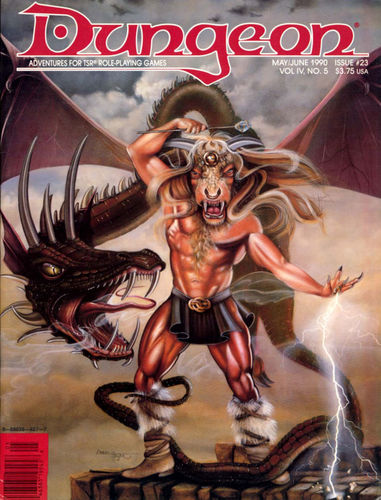
Looks can lie as well as words. Magical minotaurs? Mutant giants? Vampires? One or more of these is preying upon the caravans, and you're going to stop them. A band of ogre magi took over an abandoned dwarven stronghold and have started ambushing merchant caravans. Their leader, Krugii, wants to gain enough power to eventually control a kingdom. In his quest for power, he has bonded a young bronze dragon and has accelerated its growth. The ogre mages all have different personalities and different forms that they prefer to polymorph into. The PCs are hired to take a caravan through Deception Pass and protect it against the random monsters that have been marauding lately (actually ogre mages in disguise). After protecting the caravan, the players track the attacks back to the stronghold of the ogre magi and clear it out. Pgs. 40-62